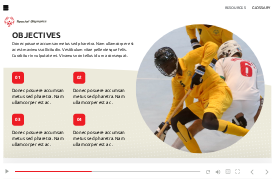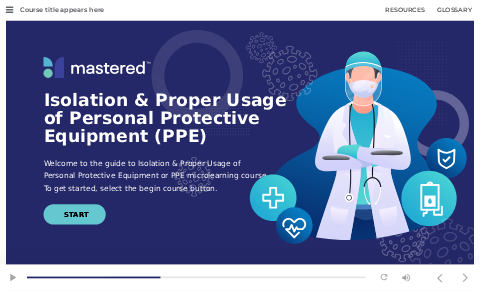
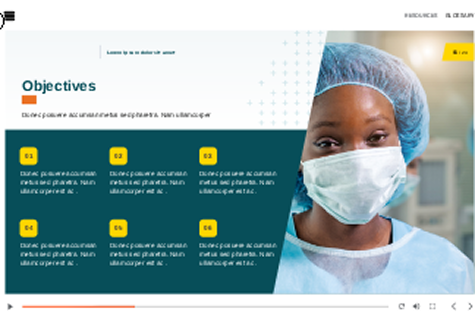
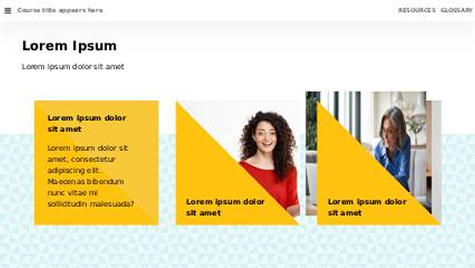
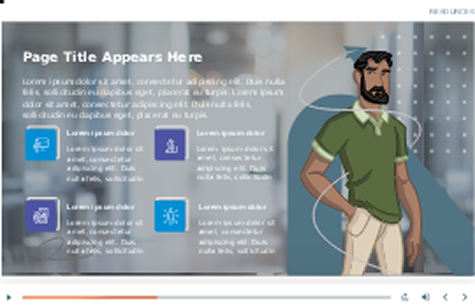
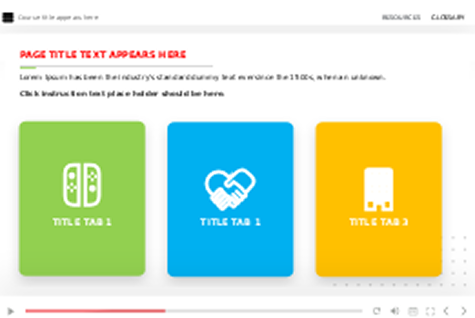
To make this repeatable at the volume ELB Learning operated at, we built a three-tier framework. Simple, Immersive, Custom, that let any client land at the right level of production complexity for their budget and timeline without us reinventing the process every time. We also templatized layouts so the design team had a head start.








LEARNING EXEPERIENCE
Designing training that sticks
CHALLENGE
Clients invest in training for a handful of concrete reasons: protect revenue, reduce risk, retention, and keep their brand consistent at scale. Frontline turnover means new hires are constantly hitting the floor undertrained, and every gap in retention shows up as a customer experience problem or a safety incident. Compliance failures carry real financial and legal exposure. Technical knowledge that lives only in a few senior employees' heads is a liability the moment those people leave. None of this gets solved by handing people more content. It gets solved by building training people actually remember and apply, because the subject matter was never built to be memorable on its own.
ROLE & PROCESS
I led creative strategy and art direction across these engagements end to end, not handed a brief and sent
off to execute it.
Discovery meet with the client's SMEs and L&D team, pull apart what they're actually trying to change in behavior or recall, not just what content they have
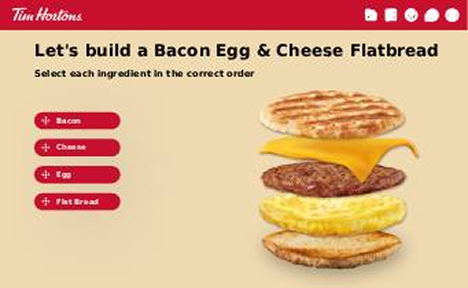
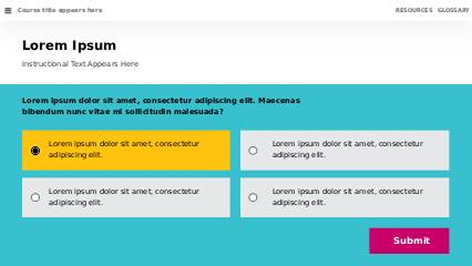
Concept match the mechanic to the content. A quiz works for some things; a branching scenario or a Reigns-style decision swipe works for others. The format has to fit the problem, not the other way around
Art direction build a visual identity that's unmistakably the client's brand, whether that's the energy of a QSR counter or the precision of an airline ops manual
Production direct the artists and animators building it out, work with developers to make sure the vision is executed in a budget-friendly manner, hold the line on WCAG accessibility and brand consistency
SOLUTION
Framework is what made it possible to take on a quick turnaround compliance refresh and a fully custom industrial training. The output customized to the specific business problem frontline retention, regulatory risk, knowledge transfer and built to be measured against it.
Client
IMPACT
The consistent result across these engagements: clients didn't come back because the training looked good. They came back because the underlying business problems turnover, risk, and knowledge gaps measurably improved.
Role
Vice President of Creative Services
Timeline
Fortune 500 Companies
Ongoing